January 16, 2026
Choosing the right local roofer is a pivotal step in ensuring the longevity and safety of your home. Given the numerous available options, a well-qualified and experienced roofer stands out as a beacon of reliability. This article aims to equip you with the knowledge needed to ask the right questions, ensuring a successful and efficient roofing project.
Understanding what to look for in a roofer isn't just about finding the best quote. It's about assessing experience, verifying testimonials, and choosing the right materials for your specific needs. By delving into these questions, you can make a well-informed decision, potentially saving money and avoiding unnecessary headaches down the line.
With approximately 101,679 roofing contractor businesses operating in the United States in 2025, and a growth rate of 2.7% that year, according to IBISWorld, navigating this vast market can be daunting. Each contractor brings varied skills, experience, and offerings, making it crucial for homeowners to possess a discerning eye. Therefore, arming yourself with the right questions not only helps in selecting an expert but also in building a collaborative partnership that ensures the project's success.
1. What Experience and Qualifications Do You Have?
A local roofer's experience is often indicative of their expertise and reliability. Understanding the types of roofing projects they have handled provides insight into their capabilities and versatility. Whether it's residential or commercial roofing, new installations, or repairs, knowing this detail can significantly impact your project's success.
Qualifications and certifications are formal recognitions of a roofer's competence. Certified roofers are often committed to maintaining industry standards and continuously updating their skills through training and education programs. This not only demonstrates their dedication to quality but also ensures they are up-to-date with the latest roofing technologies and methods.
Additionally, the years a roofer has spent in the industry can be a good measure of their reliability. A well-established roofer with a long-standing presence often equates to a wealth of experience and a proven track record. Portfolio of past work acts as a testament to their skills and craftsmanship, providing tangible proof of their capability and aesthetics.
2. Can You Provide References and Testimonials?
References and testimonials serve as valuable tools in gauging a roofer's past performance. They provide a glimpse into previous clients' experiences, helping potential customers evaluate the roofer's reliability and workmanship. The importance of references cannot be overstated as they reflect real-world outcomes of the contractor's promises and expertise.
Verifying testimonials is a critical step in the selection process. While many contractors showcase positive feedback, it's essential to ensure their authenticity. Engaging directly with previous clients can offer unbiased reviews and highlight any potential concerns or drawbacks that may not have been evident initially.
Online reviews further add to a contractor's reputation by allowing a wider range of feedback from various sources. When considering online reviews, one should focus on consistency and the roofer's response to criticism. This information helps in forming a holistic view of the contractor's dedication to customer satisfaction and quality work.
3. What Roofing Materials Do You Recommend?
Choosing the right roofing material is a critical component of your project's success. With various materials available, understanding the types and their specific benefits is crucial. Each material, be it asphalt, metal, or slate, offers unique advantages and challenges that a knowledgeable roofer can explain clearly.
The pros and cons of each roofing material should be weighed carefully in relation to your specific needs. While some materials may offer cost efficiency, others may provide better durability or aesthetic appeal. A thorough understanding of these can significantly impact the longevity and maintenance needs of your roof.
Geographic location plays a significant role in material selection as climate considerations must be taken into account. What works in one region may not be suitable in another due to varying weather conditions. Moreover, the environmental impact and sustainability of roofing materials are increasingly important factors, as homeowners seek eco-friendly options that contribute to a sustainable future.
4. What is Your Pricing and Payment Structure?
A transparent breakdown of costs is fundamental to avoiding future disputes and ensuring budget adherence. An itemized list of expenses provides clarity and helps prevent hidden costs from arising later in the project. Homeowners should feel comfortable discussing these details upfront to ensure transparency and trust.
Understanding a local roofer's payment terms and available financing options can ease financial planning. Many contractors offer various payment structures to accommodate different budgetary constraints, making it essential to explore these options thoroughly. Additionally, knowing how unexpected expenses will be managed is critical to avoid financial surprises throughout the project.
Comparing quotes from multiple local roofers not only highlights competitive pricing but also uncovers differences in scope and quality of services offered. Transparency in pricing further reflects a roofer's integrity and accountability. This clarity fosters strong communication and a collaborative partnership, laying the foundation for a successful roofing project.
5. How Do You Ensure Worksite Safety?
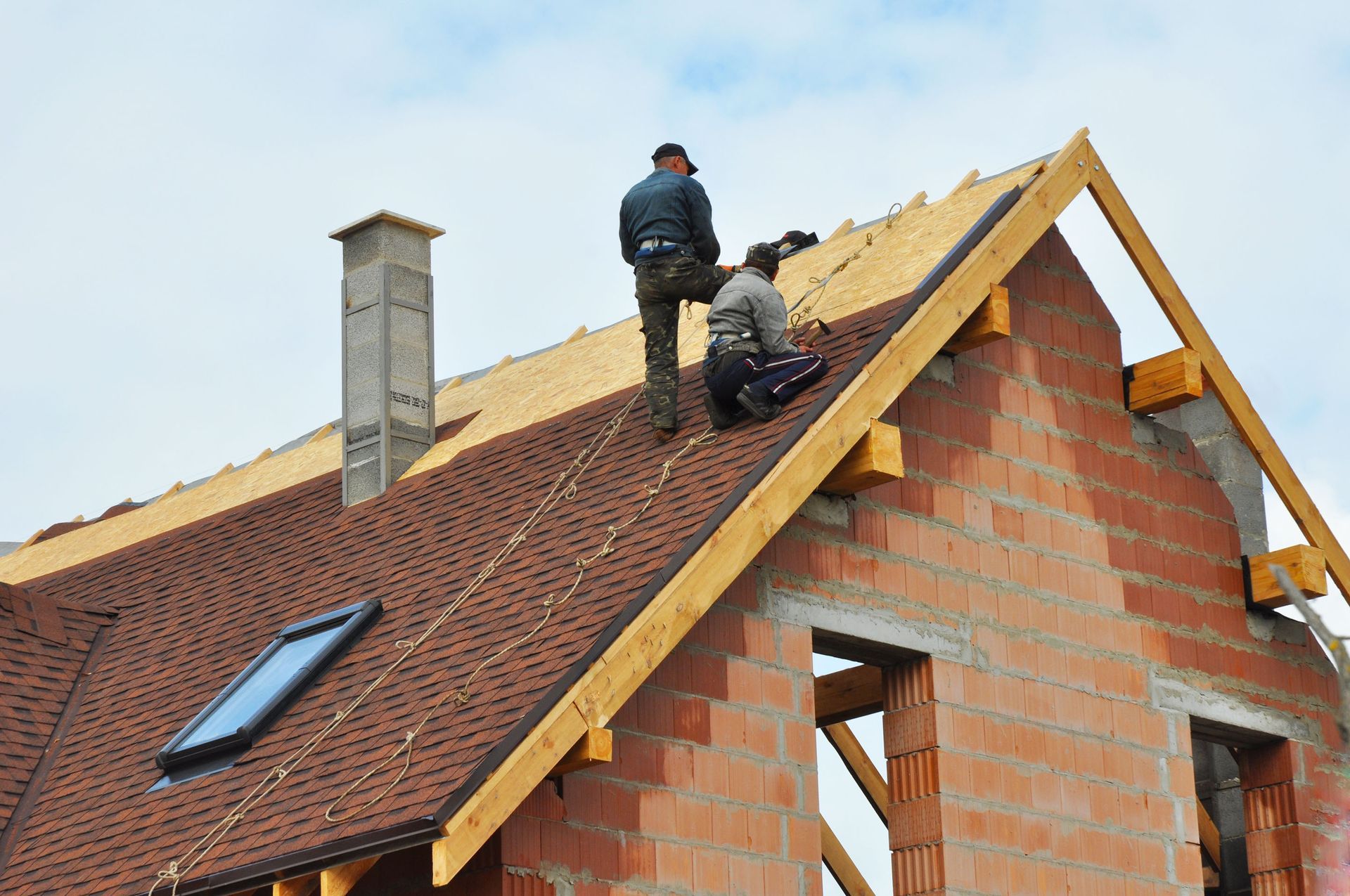
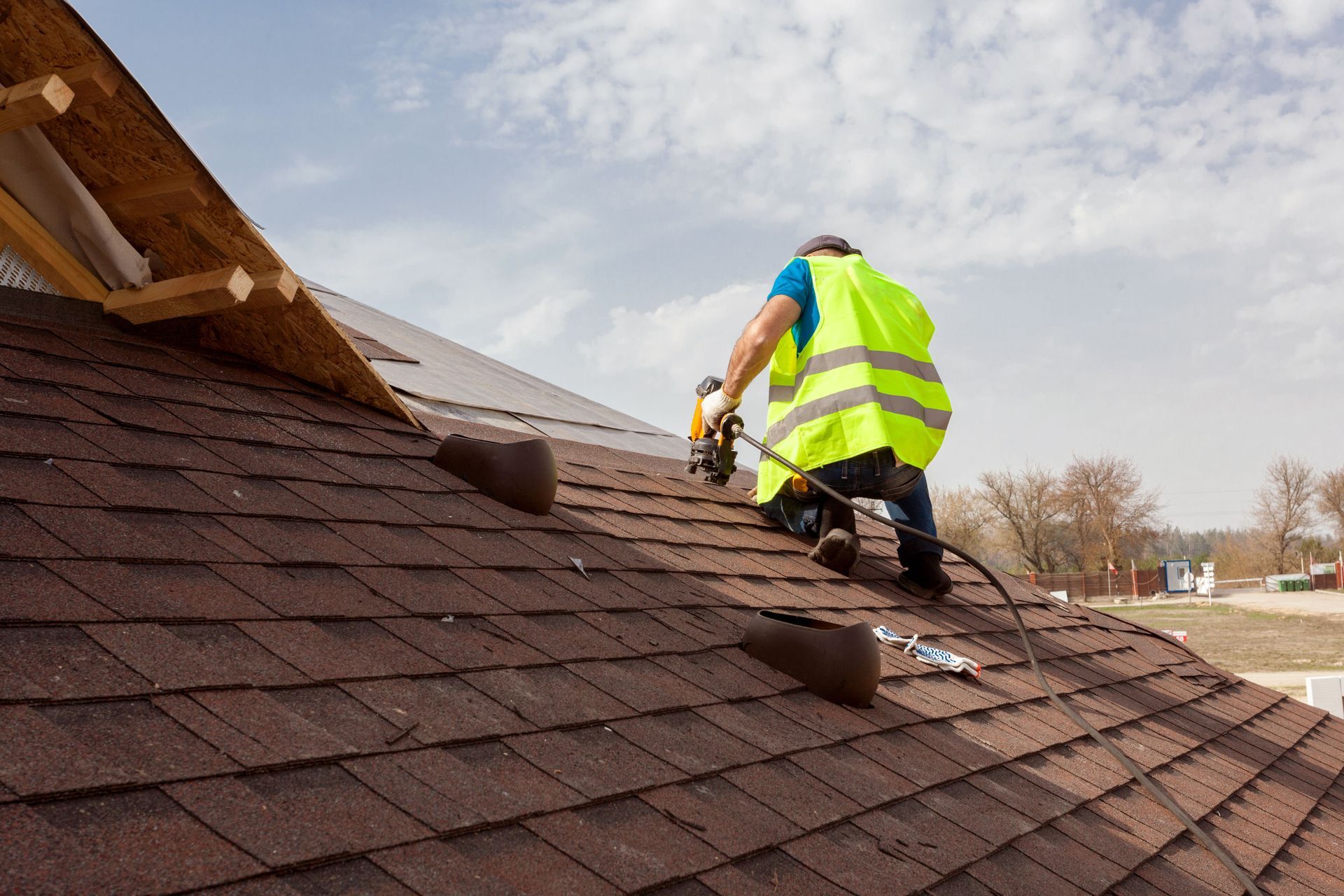
Worksite safety is a cornerstone of any roofing project, ensuring the well-being of both workers and the property. A roofer must adhere to rigorous safety protocols and procedures to prevent accidents and minimize risks. Detailed knowledge of these practices reflects their commitment to safety and professionalism.
The use of safety equipment and proper worker training are tangible indicators of a roofer's dedication to maintaining a safe environment. Certifications in safety practices further demonstrate a roofer's competence and ensure they are equipped to handle any potential hazards. Such measures not only protect workers but also safeguard the homeowner's property during the project.
Insurance and liability coverage are critical components of a roofing contractor's arsenal. They protect homeowners from unforeseen incidents or accidents that may occur on-site. Additionally, a roofer's ability to manage hazards and emergencies reflects their preparedness and ability to handle the unexpected, ensuring the project's continued progress without undue delays.
6. What Warranties and Guarantees Do You Offer?
Warranties are assurances that bolster a homeowner's confidence in their roofing investment. Different types of warranties, including manufacturing and contractor coverage, provide layers of protection against potential defects or failures. Understanding these nuances helps homeowners feel secure in their decision-making process.
Warranty coverage terms dictate the extent and duration of protection offered by a roofer. Homeowners should thoroughly examine these terms to comprehend what is included and any potential exclusions. A clear procedure for filing warranty claims ensures that issues are addressed promptly and efficiently.
The distinction between manufacturer and contractor warranties is vital, with each covering different aspects of the roofing project. Written guarantees serve as formal documentation, providing peace of mind and reinforcing the roofer's commitment to quality workmanship. These elements are crucial for safeguarding the homeowner's investment and ensuring long-term satisfaction.
Thorough research and open communication are the cornerstones of a successful roofing project. By asking the right questions, homeowners can confidently select a qualified roofer who aligns with their specific needs and expectations. This diligence ensures not only a high-quality installation but also a positive experience from start to finish.
In a market saturated with roofing options, having a structured approach simplifies the selection process. Transparency, experience, and commitment to safety and quality are essential criteria that guide homeowners in making the right choice. Ultimately, these factors contribute to a roofing project that stands the test of time, providing both security and value.
A collaborative relationship with your local roofer, built on trust and transparency, results in a stress-free project that enhances your home's durability and appeal. As the industry continues to grow, standing at approximately 101,679 businesses in 2025 with a 2.7% growth rate, choosing the right roofer becomes ever more critical. By leveraging the insights from this article, homeowners are better equipped to navigate these challenges and achieve a successful roofing project. For more information about the services that we offer, reach out to our incredible team at Balletto Construction today!