September 30, 2026
Replacing a residential roof is one of the most significant investments a property owner will make. A well-constructed roof protects structural integrity, enhances curb appeal, and boosts overall energy efficiency. However, navigating material choices, contractor evaluations, and project preparations can feel overwhelming without a clear roadmap. Understanding the replacement process from initial inspection to post-installation maintenance allows homeowners to make informed decisions that protect their financial investment and secure their home for decades to come.
Recognizing the Need for a New Roof
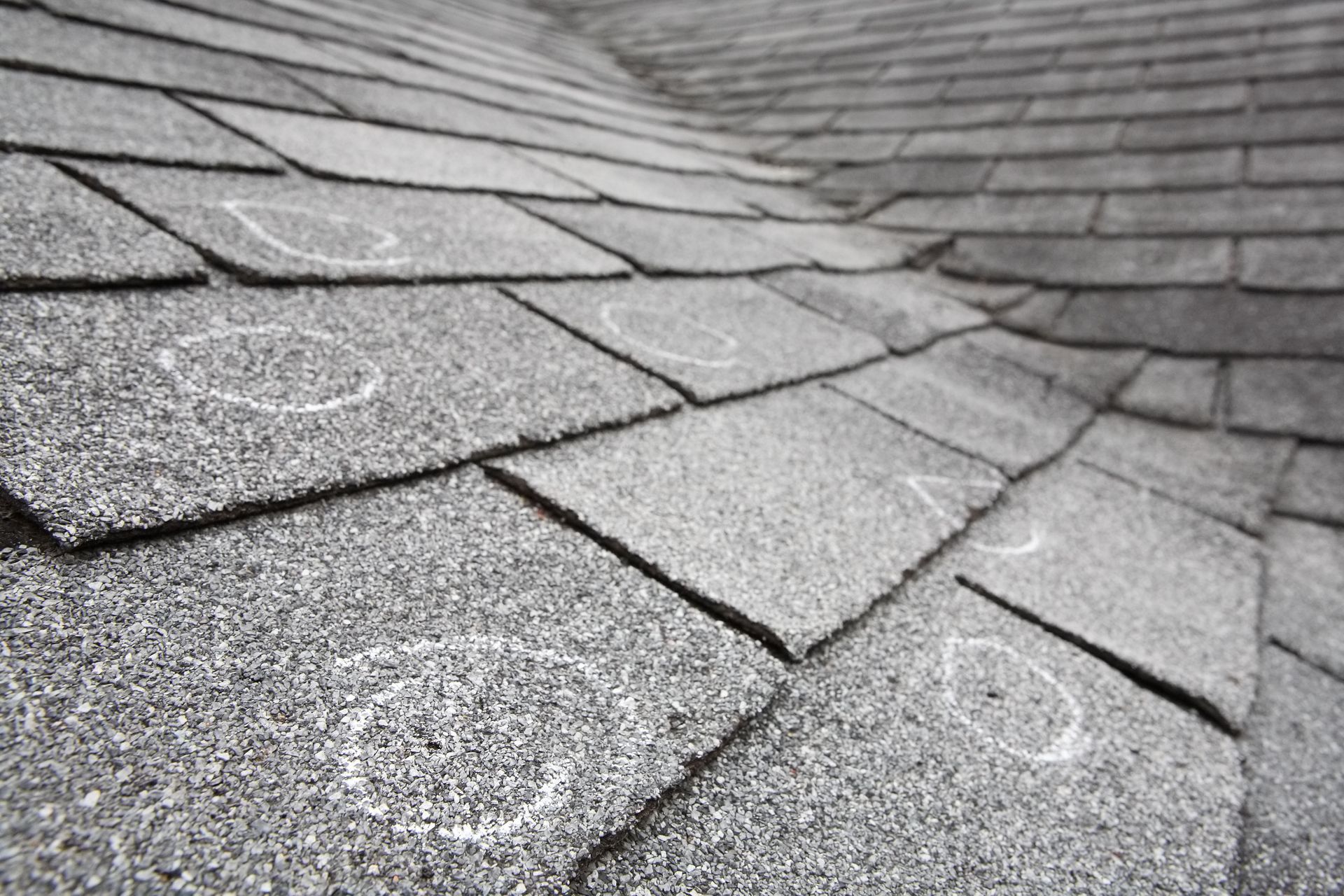
Determining when to transition from simple repairs to a complete tear-off requires evaluating the age, structural condition, and environmental exposure of your current system. Standard asphalt shingle installations typically offer a functional lifespan of twenty to twenty-five years. As materials age, prolonged exposure to severe weather, high winds, and solar radiation causes severe degradation, compromising the waterproof barrier protecting your underlying deck.
Visible signs of distress provide clear indicators that replacement is imminent. Inspecting your roofline may reveal curled, cracked, or entirely missing shingles. Inside the home, water stains across ceilings or attic rafters signal active leaks, while excessive shingle granules accumulating in gutter downspouts indicate that protective coatings are wearing away. According to Today’s Homeowner, if repairs exceed $3,000, replacing the roof may be the more practical choice. Continuing to patch a failing system often results in escalating costs without resolving systemic vulnerabilities.
Delaying a necessary installation frequently leads to hidden structural damage, including rotted decking, ruined insulation, and invasive mold growth inside interior wall cavities. To avoid these expensive secondary repairs, property owners should schedule comprehensive evaluations with trusted local roofers. Experienced professionals possess the diagnostic tools necessary to detect subterranean moisture intrusion and assess whether underlying framing remains structurally sound.
Selecting the Right Roofing Materials
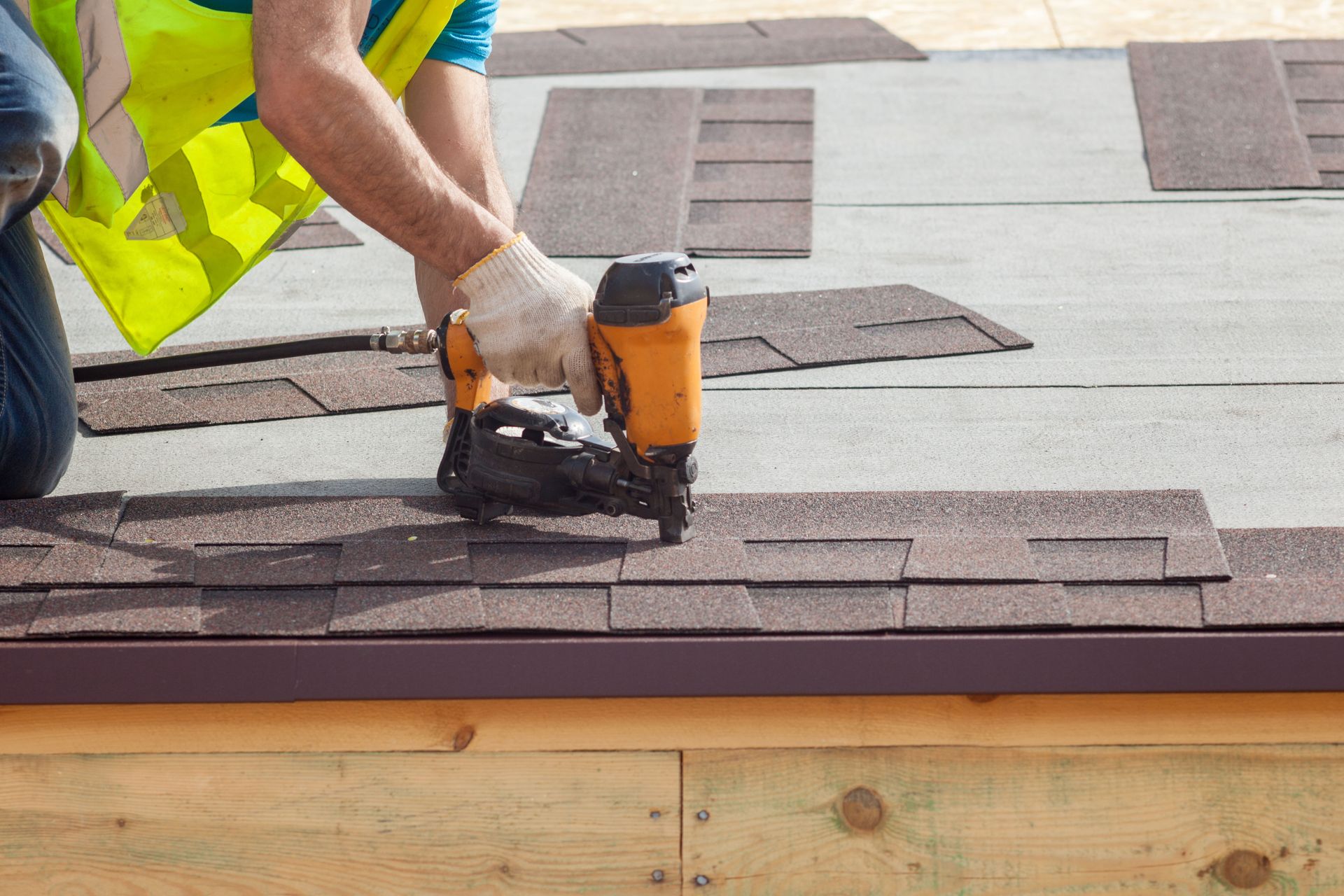
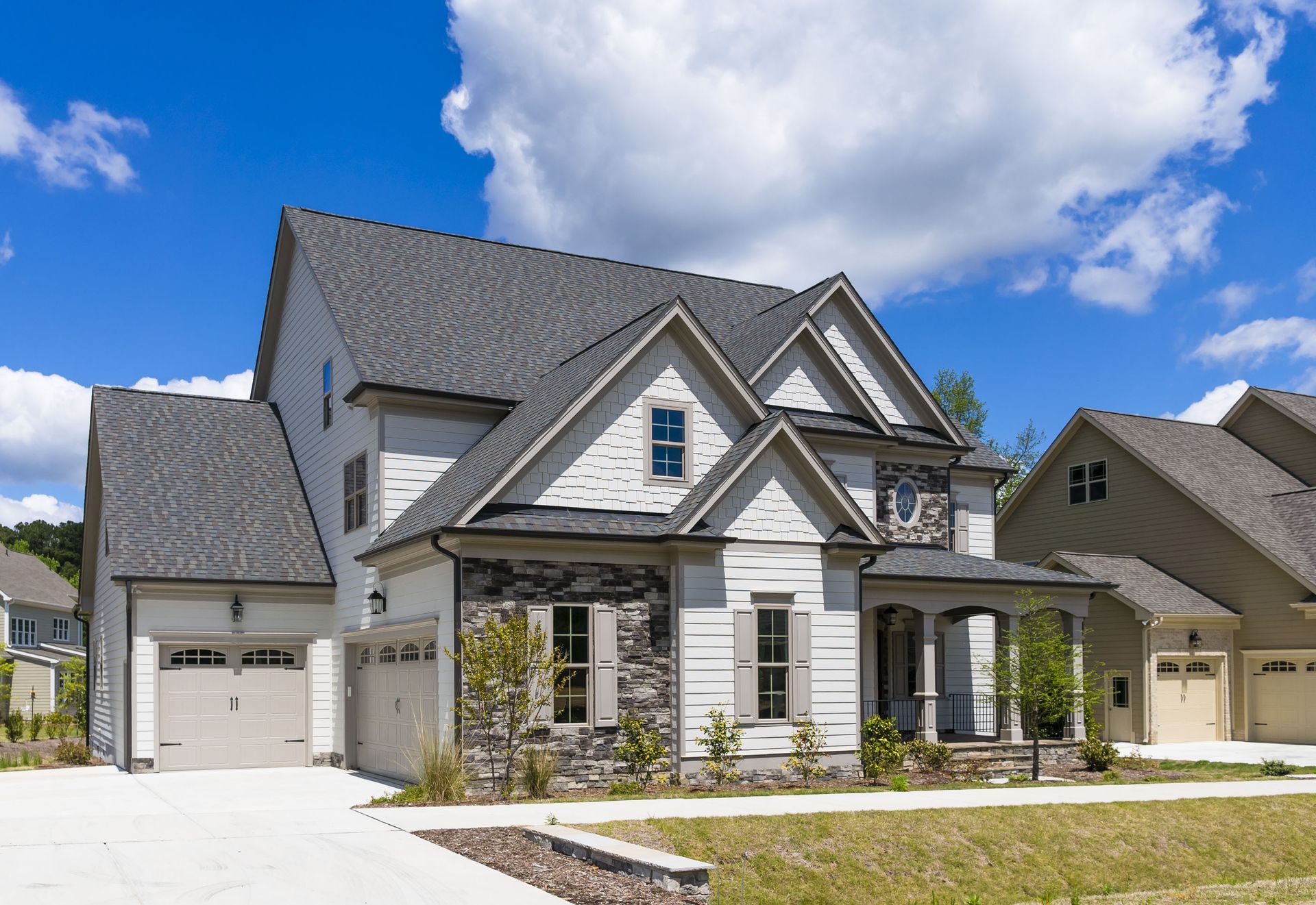
Choosing the ideal replacement material involves balancing initial installation costs against expected longevity, local climate demands, and architectural style. Traditional three-tab and architectural asphalt shingles remain popular due to their affordability, ease of installation, and wide variety of aesthetic options. Architectural shingles offer superior wind resistance and multidimensional profiles, making them a practical choice for standard residential structures.
Alternative materials provide enhanced durability and specialized performance characteristics. Standing seam metal systems, for instance, offer exceptional longevity, often lasting fifty years or more with minimal maintenance requirements. Clay, concrete, and slate tiles provide timeless aesthetic appeal and high fire resistance, though their significant weight requires verifying that roof framing can support the load. Synthetic composite tiles offer a lighter alternative that replicates natural wood shakes or slate while offering impact-resistant properties.
Energy efficiency should also guide material selection. Reflective metal surfaces and cool-roof asphalt products bounce solar radiation away from the building envelope, reducing attic heat build-up and lowering summer air conditioning costs. Budget planning must account for both immediate material prices and long-term utility savings. Comparing upfront expenses against expected lifespans ensures homeowners select an option that fits their financial parameters.
Evaluating and Hiring Qualified Contractors
Executing a flawless installation relies heavily on selecting skilled trade professionals. Homeowners should thoroughly vet prospective candidates by verifying state contractor licenses, active business registrations, and active insurance policies. Ensuring that your contractor carries both general liability coverage and workers' compensation insurance protects you from financial liability in the event of accidental property damage or jobsite injuries.
Evaluating reputation across the community is equally vital. Homeowners should seek out established local roofers who possess a proven track record of quality workmanship and transparent communication. Reading independent online reviews and contacting provided customer references offers valuable insight into a contractor's punctuality, jobsite cleanliness, and adherence to project timelines. Working with neighborhood professionals ensures your installer understands local building codes and regional climate requirements.
Always request itemized written estimates detailing line-item costs for labor, tear-off, material supply, disposal fees, and permit acquisition. Comparing multiple detailed proposals prevents hidden charges and helps clarify scope differences. Additionally, carefully review contract terms regarding manufacturer material warranties and contractor workmanship guarantees to ensure long-term coverage for your new installation.
Preparing Your Property for Installation
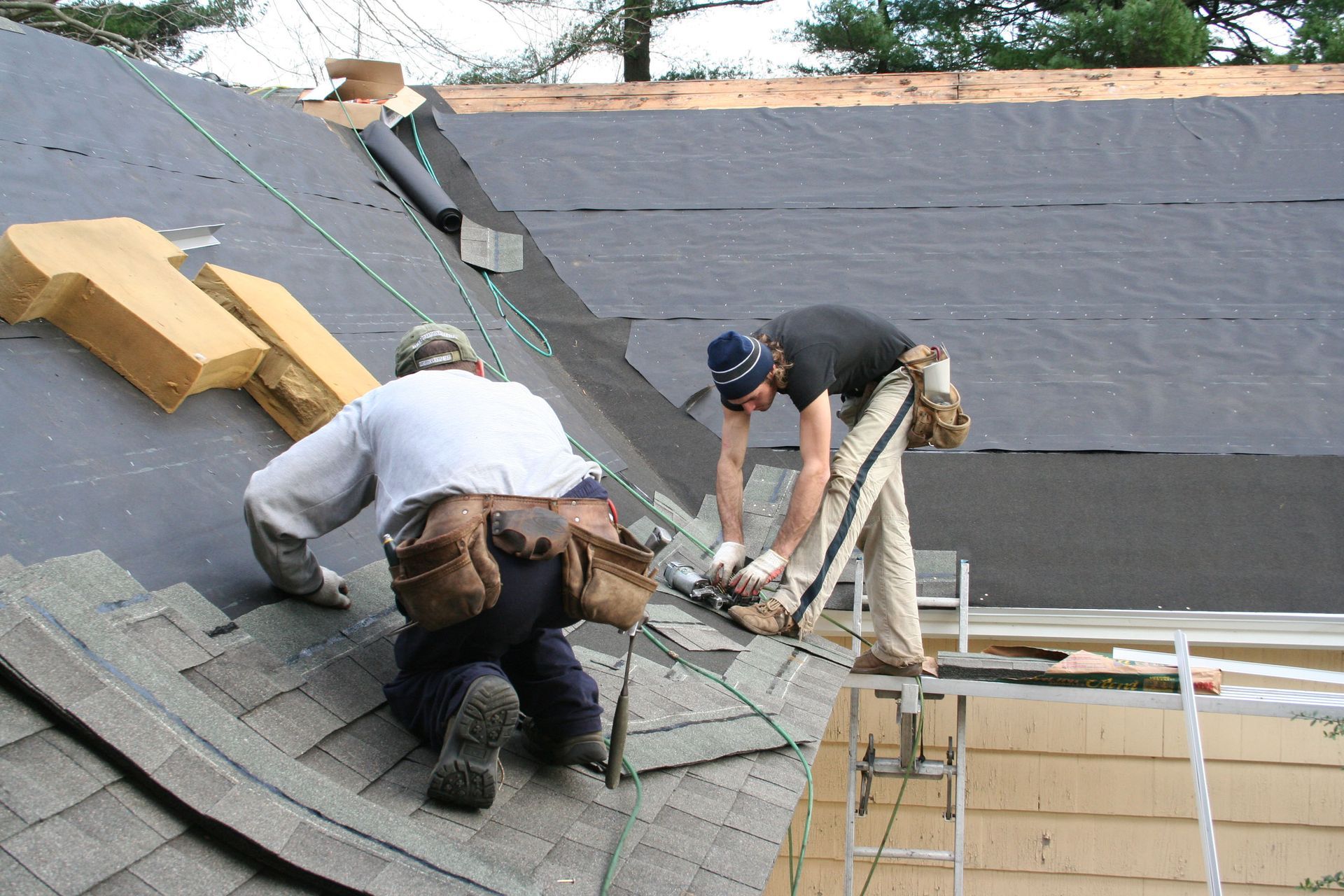
Once an installation date is established, proper site preparation helps ensure safety and minimizes household disruption. Roof replacement is a heavy construction project that generates significant noise, vibration, and debris. Homeowners should clear driveways and areas surrounding the house to provide crew members with unobstructed access for delivery vehicles, heavy equipment, and disposal trailers.
Protecting your property's interior and exterior elements is essential before work begins. Remove fragile wall decorations, framed pictures, and hanging mirrors, as heavy hammering on the roof deck can cause wall vibrations that knock items loose. Outdoors, move patio furniture, grills, potted plants, and vehicles away from the drip line to prevent damage from falling shingles or stray nails. Trimming back overhanging tree branches also secures clear access for workers.
Managing safety and daily routines during construction reduces stress for residents. High noise levels can disrupt remote work environments, making temporary off-site arrangements desirable for some families. Keep children and domestic pets safely indoors or away from active work zones throughout the project. Professional local roofers will establish perimeter safety zones and conduct magnetic sweeps at the end of each day to gather fallen fasteners and maintain a clean site.
Financial Considerations and Project Budgeting
Formulating a realistic budget requires understanding all financial components associated with a complete tear-off and replacement. Beyond base material and labor costs, budgets must account for permit fees, waste dumping expenses, and potential structural repairs. Uncovering water-damaged plywood or rotted fascia boards after old shingles are stripped can add unexpected line items to the final bill. Establishing a ten to fifteen percent contingency fund protects your finances against unforeseen repairs.
Exploring various financing avenues helps make large projects manageable. Many established local roofers offer flexible consumer financing plans, including low-interest loans or deferred payment options. Property owners can also leverage home equity loans, lines of credit, or specialized home improvement loans to finance their installations. Comparing interest rates and payment terms ensures you secure a comfortable financing structure.
Incentives and long-term savings help offset initial capital outlays. Installing high-efficiency, solar-reflective, or impact-resistant materials may qualify homeowners for regional energy rebates or reduced property insurance premiums. Evaluating short-term replacement expenses alongside long-term reductions in energy consumption and ongoing maintenance demonstrates the true economic value of a high-quality installation.
Post-Installation Maintenance and Care
Maximizing the lifespan of your new investment requires establishing a consistent post-installation maintenance routine. Performing bi-annual visual inspections—typically in spring and autumn—helps identify minor issues before they develop into major system failures. Inspecting flashings around chimneys, skylights, and plumbing vents ensures waterproofing seals remain tight and undamaged by wind or temperature swings.
Proper gutter care remains vital to maintaining roof integrity. Clogged gutters trap standing water against the roof edge, leading to fascia rot, ice dam formation in winter, and water back-up under lower shingle courses. Cleaning gutters and downspouts regularly ensures unhindered drainage away from your roof structure and home foundation. Promptly clearing accumulated leaves, pine needles, and organic debris prevents moss and algae growth.
Partnering with dependable local roofers for ongoing care simplifies long-term maintenance. Professional technicians can safely navigate steep pitches to execute preventative repairs, seal minor flashing breaches, and verify that attic ventilation systems function properly. Timely attention to minor upkeep safeguards your warranty coverage and ensures your new installation provides dependable protection for decades.
A successful roof replacement requires careful planning, informed material selection, thorough contractor vetting, and consistent long-term maintenance. Understanding how to identify damage, evaluate estimates, and prepare your property empowers homeowners to approach the installation process with confidence. Investing in durable materials and partnering with skilled trade professionals guarantees your property remains safe, energy-efficient, and visually appealing. For expert craftsmanship, detailed site evaluations, and reliable installations, trust the experienced team at Balletto Construction to protect your home.